Maximising Export
We used to try to maximise using as much of our own solar power as possible.
It made sense at the time — run the washing machine, charge the battery, power the house and the car directly from solar, and avoid exporting it back to the grid for little or no return.
But things have changed.
We’re now on an Octopus EV tariff that pays 12p per kWh for exported electricity, and gives us electrcity overnight at just 3.49p per kWh. And that completely flips the logic on its head.
Instead of trying to use all our solar, it now makes far more sense to:
- buy electricity cheaply overnight
- and sell as much solar as possible back to the grid at a higher rate
It feels slightly backwards — buying electricity so we can sell sunshine — but the numbers don’t lie!
How it works
Our setup now runs roughly like this:
- 11:30pm (cheap rate starts): We charge the battery from the grid at 3.49p/kWh
- Around midnight: The battery is usually full
- Overnight: The house draws a small amount from the grid (all at cheap rate)
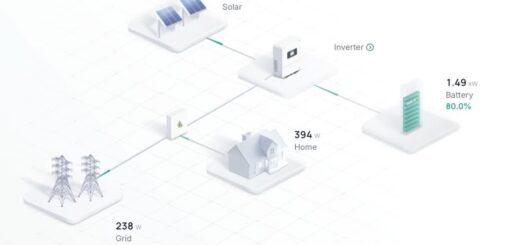
- 5:30am: We switch to running off the battery
- Morning onwards: Solar starts generating
- First it tops up the battery
- Once full, everything else is exported to the grid
- Evening: The battery powers the house again
- Then the cycle repeats
The result is a really clean import/export pattern — and importantly, we’re exporting almost all of our solar generation.
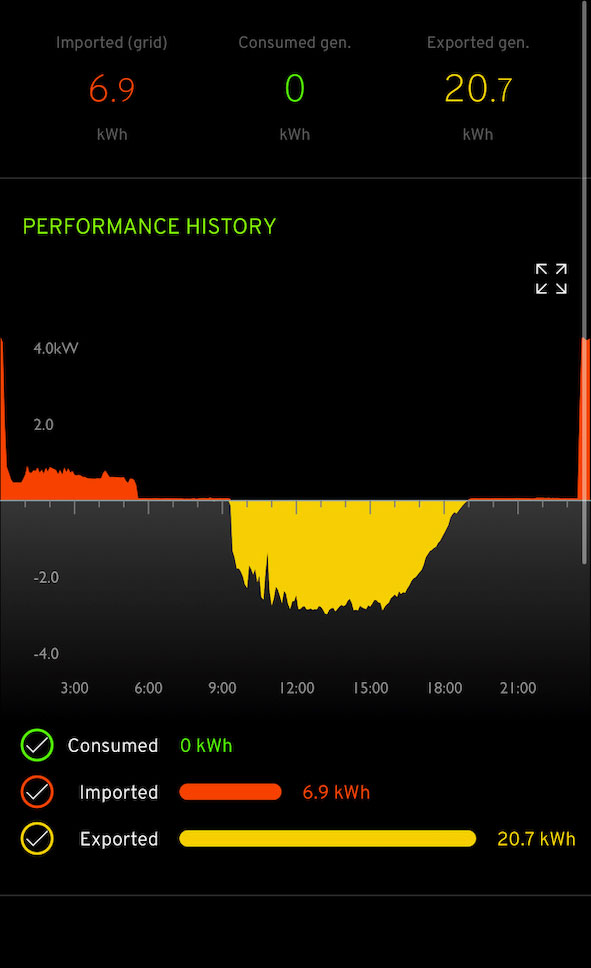
In the example day shown above,
- Imported: 6.9 kWh × 3.49p = 24.1p
- Exported: 20.7 kWh × 12p = 248.4p
Net gain: £2.24 for the day
Not bad for a small system that was only ever supposed to keep costs down.
The takeaway
If you’ve got solar and a battery, it’s well worth checking whether your tariff setup is actually working in your favour. The instinct is often to use as much of your own solar as possible — but if your export rate is higher than your import rate, the smarter move might be to do the opposite.
Discover more from A Simple Life of Luxury
Subscribe to get the latest posts sent to your email.