Getting Ready for Traws Eryri
A while ago, Mike asked if I fancied doing Traws Eryri with him.
I’m not entirely sure whether this was an invitation or revenge. A couple of years ago, we did the OMM together, and, depending on which version of events you believe, I either pushed us both rather enthusiastically or nearly broke him. Either way, perhaps he’s decided that the appropriate punishment is several days of mountain biking across Snowdonia.
I said yes.
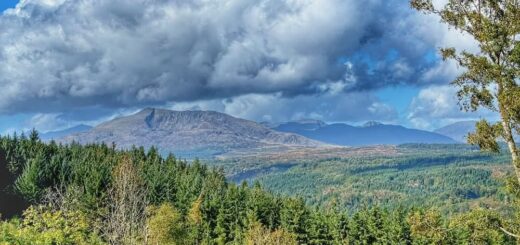
Traws Eryri is a roughly 200-kilometre off-road route across Snowdonia, and although we’re not attempting it as some kind of race, it is still a fairly substantial undertaking. We’ll be staying in B&Bs rather than camping, which makes the logistics considerably easier, but there is still the small matter of riding a mountain bike for several days over some fairly serious terrain.
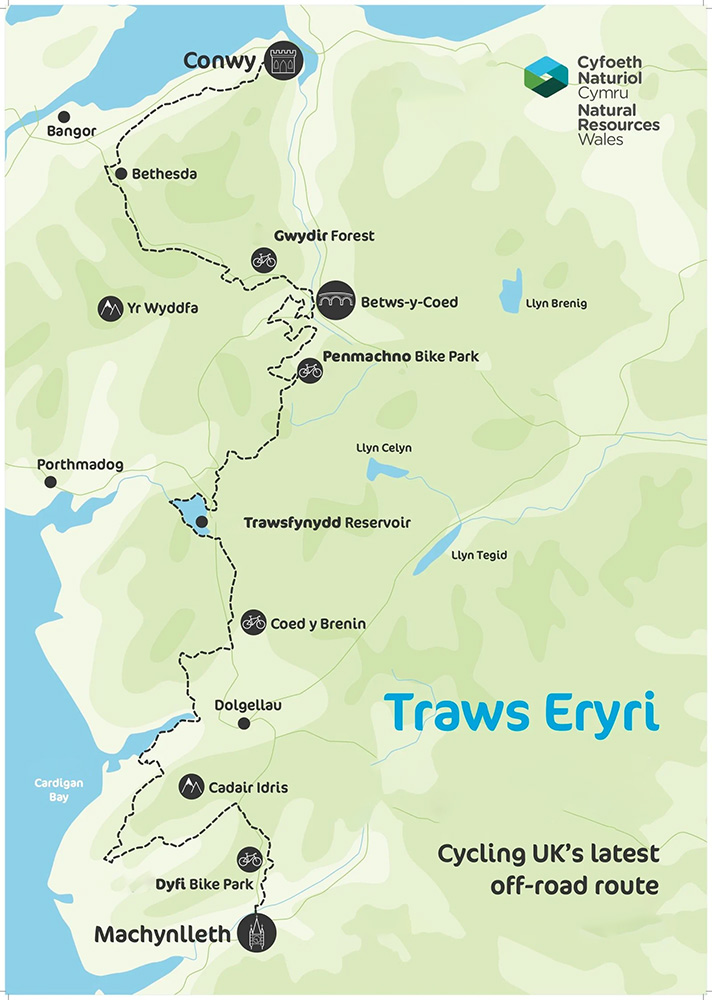
The bike isn’t the problem. My Scott Spark full-sus mountain bike is more than capable of it. My Scott Scale hardtail (that I actually feel more comfortable on) would be fine as well, but with the option of some trail centres along the way, I’ll be taking the full-sus.
The bigger question is whether I am ready for it?
The problem with training
One of the slightly frustrating things about preparing for this sort of trip is that you can make all the plans you like, but your body gets the final say.
I’ve had a succession of niggles over the last few months, including piriformis and SI joint problems, back issues, and the occasional reminder from various bits of my legs that perhaps I shouldn’t assume they’re indestructible. None of these have necessarily been disastrous, but they’ve made training rather stop-start. Just when I feel as though I’m getting into a decent rhythm, something starts complaining, and I have to back off for a while. That makes it difficult to build the sort of consistent endurance I would ideally like before taking on several days of mountain biking.
So the plan is fairly conservative: ride regularly, build some endurance, get plenty of MTB time, work on the things that have deteriorated, and, most importantly, try not to do anything stupid. Which, given the history, may be the most difficult part.
Getting the luggage sorted
The first practical problem was how to carry everything.
We’re staying in B&Bs, so this isn’t a fully loaded bikepacking expedition. I don’t need a tent, sleeping bag, stove, or several days’ worth of food. But I still need several days of clothes, waterproofs, warm layers, toiletries, electronics, food, and enough bike spares to deal with the sort of problems that are realistically fixable at the side of a trail.
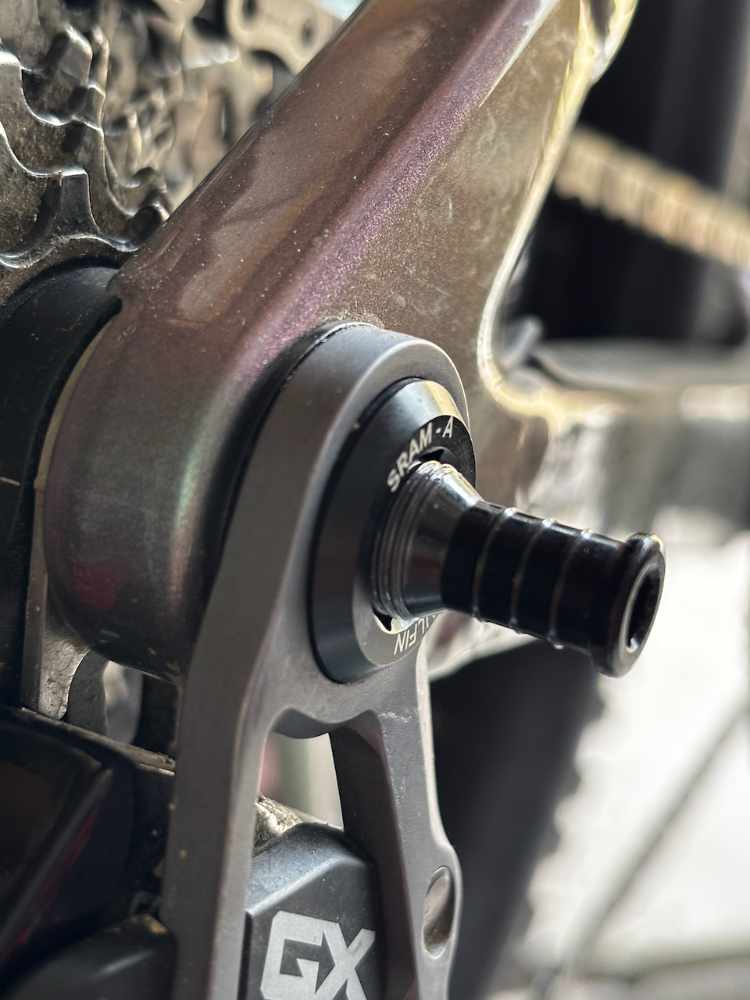
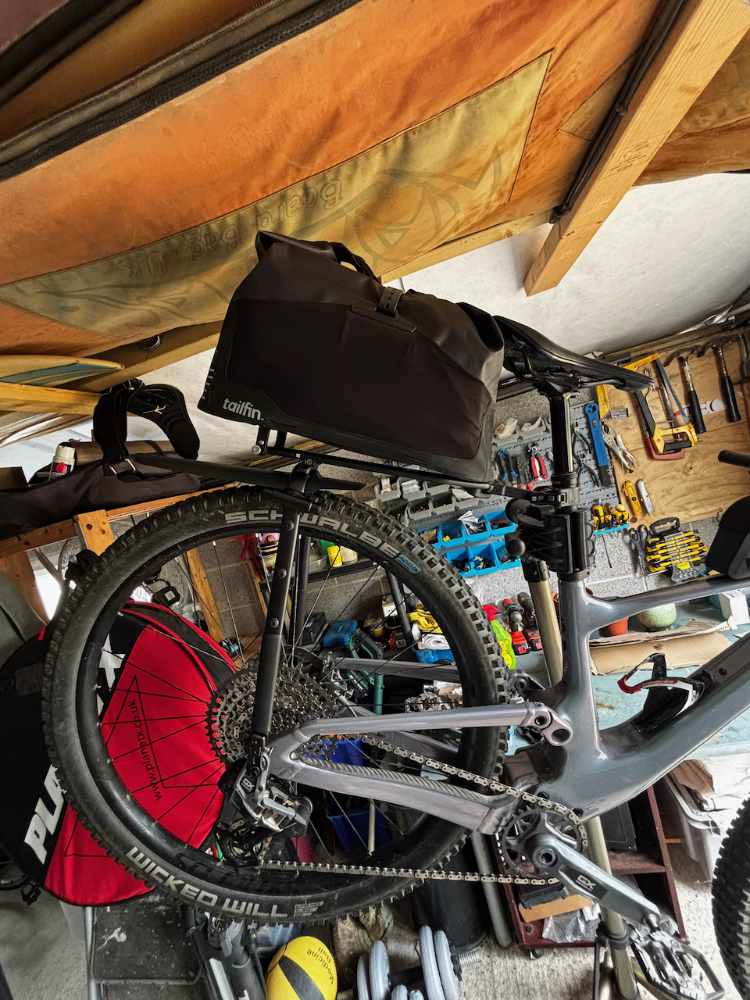
I decided on an 18-litre Tailfin JourneyRack, an 18 litre CargoPack to go on it, and a 1.5 litre Tailfin TopTube bag for spares.
There are plenty of much cheaper ways of carrying the same amount of stuff. I could have bought a perfectly serviceable bag for considerably less money. But I have a weakness for beautifully made, high-end British cycling equipment. Tailfin is a British company, and their offerings seem to be uo there with the best rated kit money can buy. It feels as though someone has actually thought carefully about how it is going to be used rather than simply worked out how to make a bag as cheaply as possible. It’s the sort of kit that people who have tried many different things say they wish they had bought in the first place.
That doesn’t necessarily mean it is better, of course. It is certainly more expensive.
After ordering, it came the inevitable wait for it to arrive, followed by the process of fitting it to the Spark, which involves replacing the rear axle, and changing out the derailleur bolt. Making sure you have the exact matching parts for your bike/compopenents was the hardest part. The initial impression is very good. It sits securely on the bike, doesn’t interfere with the suspension, and feels well thought out. It should cope with the Welsh weather too.
What actually goes in it?
The packing list is still evolving, but the broad categories are fairly straightforward.
I’ll need riding clothes, spare kit and socks, waterproofs and a warm layer, along with whatever I want to wear in the evening. Then there are toiletries, electronics and charging equipment, food and snacks, and the usual personal essentials such as medications.
The bike repair kit is perhaps more important: spare tubes, tubeless repair equipment, tyre levers, pump, multitool, chain tool, quick links, spare brake pads, spare AXS battery, and of course some cable ties.
I should probably get a bike lock too. I’ve ridden bikes for more than 40 years, including some fairly expensive ones, and I’ve never actually owned a bike lock. I’ve generally either been riding, or the bike has been somewhere secure. That won’t necessarily be the case on this trip. If we stop somewhere for food or leave the bikes outside a B&B, I’d rather have a small lock than spend the evening wondering whether my bike is still where I left it.
The eyesight problem
One of the less straightforward things I’m trying to sort out is my eyesight. Unfortunately, there isn’t really a perfect solution.
Glasses are the only option that gives me properly clear vision. With them on, I can see the trail as I should. The problem is that they also have a fairly significant disadvantage when you’re riding: they fog up. This is particularly noticeable in damp conditions or when climbing hard. You can go from perfectly good vision to looking through a layer of mist in a remarkably short time. I’ve tried various combinations of glasses and anti-fog measures, but it remains an issue.
Contacts solve the fogging problem, but introduce another one. I can ride with them, but the vision isn’t as good. I get some ghosting and blurring, which isn’t ideal when you’re trying to pick your way down an unfamiliar technical trail.
Then there is the third option: nothing. From a management point of view, this is by far the easiest solution. No glasses, no contacts, no fogging, and nothing to worry about. Unfortunately, I can’t see close up at all without correction, and the distance vision isn’t great either, so it isn’t particularly practical. I need to be able to see where I’m going, pick lines, see details on my watch, read a map, etc.
So there isn’t a magic answer. Glasses give me the best vision but always fog up; contacts are more convenient but introduce ghosting and blurring; and nothing is wonderfully simple but doesn’t give me the vision I need.
For Traws Eryri, I’ll probably end up with nothing, but with glasses close at hand for when I need them.
Getting my descending confidence back
The eyesight issue has also highlighted another part of my preparation: technical riding, particularly descending.
I’ve never been a demon on the descents. I was never the guy disappearing into the distance while everyone else tried to work out which way he’d gone. But when I was younger, I was reasonably good at it. I was confident, picked decent lines, and could generally get down technical trails without making too much of a meal of things.
I’ve noticed that changing over the years.
As my eyesight has deteriorated, my descending has gradually got worse. It hasn’t happened suddenly, and there isn’t one particular moment when I stopped being confident. It’s been a slow erosion of confidence and ability. When you can’t see quite as clearly what’s coming up, you naturally start braking a little earlier, riding a little more cautiously, and second-guessing your line. Do that often enough, and it becomes a habit.
I find myself looking at sections of trail that I would once have ridden without thinking and now wondering whether I can actually see the rocks, roots, and changes in surface well enough to ride them confidently. Quite how to get that back is something of a conundrum, especially when I don’t bounce as easily as I used to, and my reflexes aren’t quite as quick.
Hopefully, there’s a middle ground between trying to ride as I did 20 years ago and becoming terrified of every rock garden. I doubt I’ll find it in the next few weeks, though, so Mike may just have to wait for me at the bottom of the descents.
A completely separate rabbit hole: lights
The lighting project is actually nothing to do with Traws Eryri.
We’re not planning to ride Traws Eryri at night, so I don’t need an elaborate lighting system for the trip. I’ll probably just fit a cheap rear light and carry a standard headtorch just in case. The ‘proper’ lights are about the approach of winter and continuing to get out at night, coupled with the desire for new toys.
I’ve had good bike lights before. In fact, the lights I’ve been using were expensive and very good when I bought them. That was about 15 years ago.
LED lighting has moved on considerably since then. Modern lights are brighter, more compact, have better optics and much more sophisticated beam patterns, so it seemed a good time to look at what is available now. I was also keen to move to an integrated solution rather than have a separate light unit and battery pack.
The expensive but old Lumicycle light that I have is mounted on my helmet so I have to wear a backpack for the battery pack. This is coupled with a cheap, Chinese LED light on my bars that isn’t great. I therefore started looking at the range of offerings from Exposure, particularly the Zenith all-in-one helmet light. From there I looked at the MAXX-D bar mounted light, and started experimenting with the idea of a proper bar-and-helmet setup.
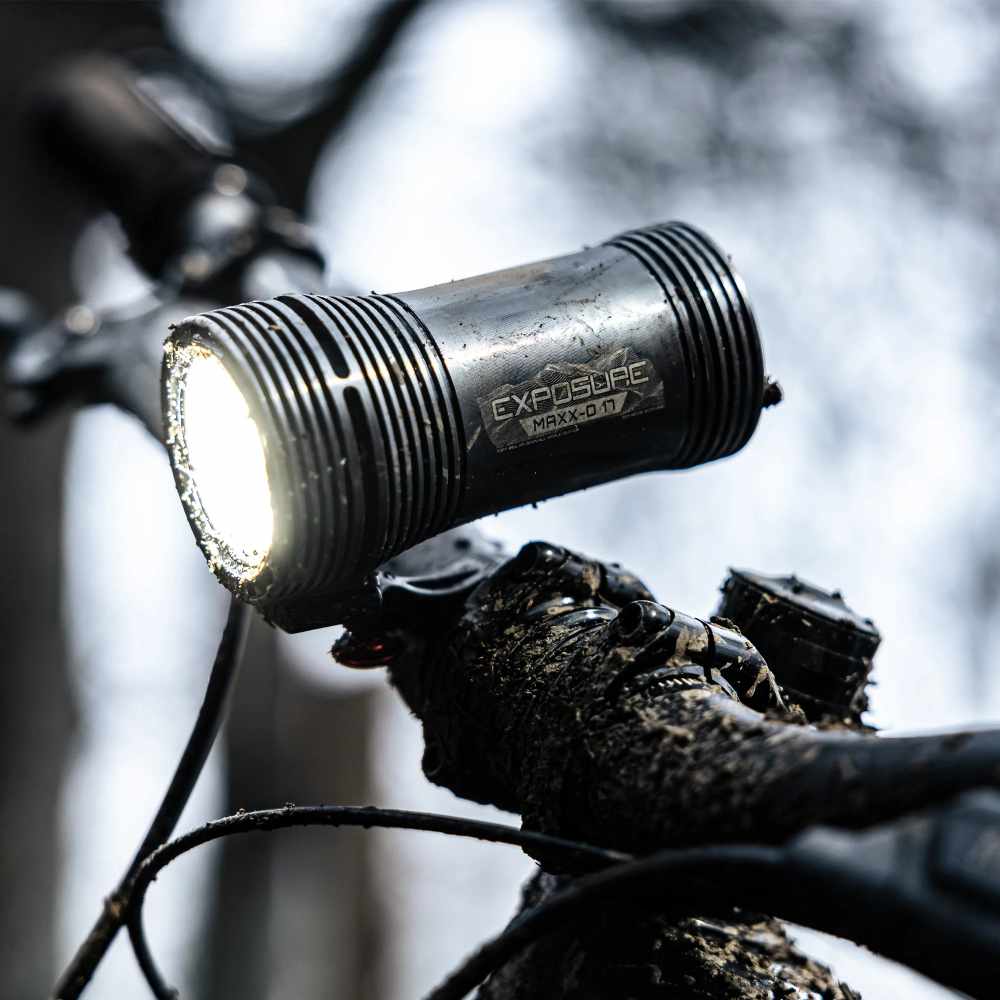
In the end I found a good deal on the Exposure MAXX-D in a local bike shop and have bought one of those. It looks to be a considerable upgrade over the cheap Chinese light I had on my bars, but only time will tell once I get the chance to use it on a Thursday evening night ride, which should be considerably more useful as a test than standing in the garden pointing it at the hedge. Riding unfamiliar technical trails in complete darkness is a very different experience. You discover very quickly whether your beam actually helps you judge the trail, where the edges are and what is coming next.
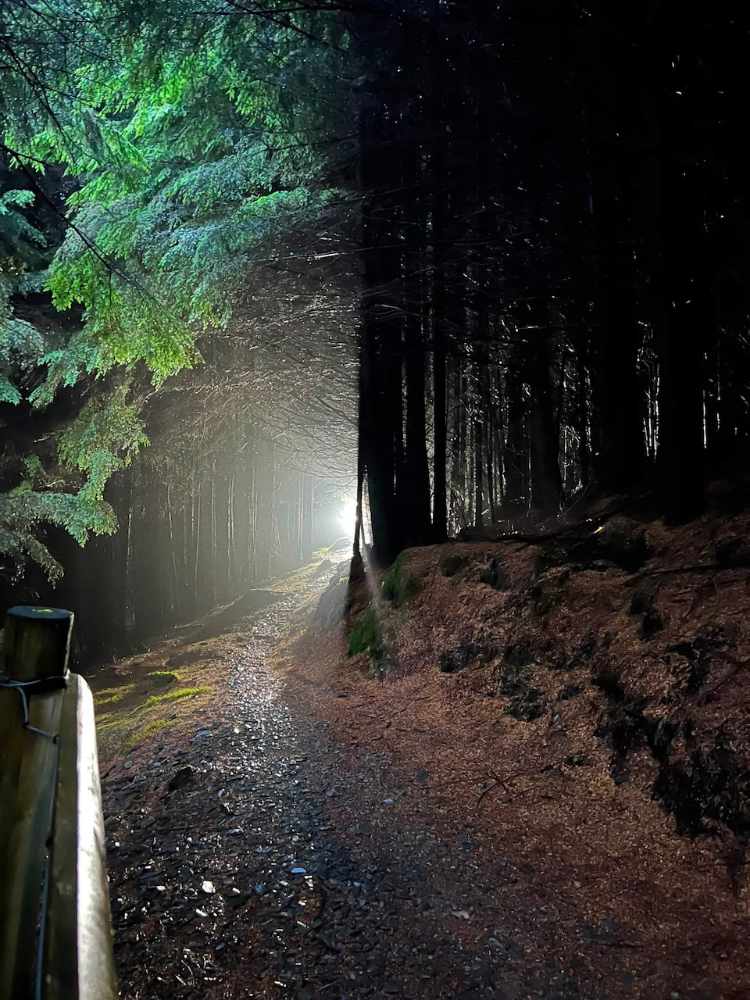
It didn’t solve the separate light and battery pack issue of my helmet-mounted light, so an Exposure Diablo or Zenith might be next on my shopping list for the ultimate set-up.
Is expensive kit actually better?
This is the question lurking behind both the Tailfin and the Exposure purchases. I could have spent considerably less money on the luggage and lights. So why didn’t I?
Partly because I enjoy good equipment. There’s something satisfying about using kit that has been thoughtfully designed, beautifully engineered, and made to last. There are much cheaper alternatives available. You can buy an enormous number of lumens for relatively little money these days, and some of the cheaper lights are genuinely very good.
But, I have a weakness for high-end kit, designed and engineered to actually cope with the mud, grit, and wet of Welsh trails.
I’m certainly not convinced that a £500 light is five times as good as a £100 one. or that an equally expensive bike-rack will make me descend any better. At some point, you’re paying for refinement, design, reliability, and the pleasure of owning something really well made rather than simply buying performance.
What expensive kit can do is remove little frustrations. If something is secure, reliable, easy to use, and survives years of abuse, that has value. And there is also the simple pleasure of owning something that you really like using.
The real test, though, will be whether I still think the extra money was justified after several days of wet Welsh mountain biking.
The next few weeks
So that’s where the preparation currently stands.
The Tailfin has arrived, been fitted, and is being tested. The bike is ready. I’m doing some night riding and testing new lights, even though they won’t be needed for Traws Eryri. I’m experimenting with glasses and contacts, getting more time on technical trails, and trying to rebuild some of the descending confidence that I’ve gradually lost. I don’t have much time to make any improvements, and I’m trying to do all of this without getting injured.
That last one is probably the biggest unknown. There isn’t much point having the perfect luggage system, the best lights, and a beautifully prepared bike if my back, hip, or whatever other body part decides to complain next prevents me from riding.
Hopefully, the next few weeks will be fairly uneventful: plenty of riding, some sensible endurance work, a bit of skill development, and no new injuries.
Then Mike and I can head off across Snowdonia and find out whether agreeing to his invitation was a good idea. Although I still haven’t completely ruled out the possibility that this whole thing is just revenge for the OMM.
Discover more from A Simple Life of Luxury
Subscribe to get the latest posts sent to your email.